

How Often Are Dental Check-Ups Really Necessary?
Regular dental check-ups are one of the most important factors for maintaining healthy teeth and gums long-term. Most dentists recommend visiting the dentist twice a year to detect cavities, gum disease, and other oral health problems at an early stage.
Many people only book a dental appointment once pain or discomfort appears. Modern dentistry, however, focuses on prevention rather than emergency treatment. This is why many patients ask an important question: How often should you visit a dentist in Vienna to maintain optimal oral health?
Routine dental examinations help prevent serious dental problems, reduce treatment costs, and preserve natural teeth for as long as possible. Combined with professional dental hygiene and proper oral care, regular check-ups form the foundation of preventive dentistry.
Why Regular Dental Check-Ups Are Important
Many oral health conditions develop slowly and without noticeable symptoms. Cavities, gum inflammation, enamel erosion, and periodontal disease are often detected only after significant damage has already occurred.
A regular dental check-up allows dentists to identify these problems early and provide minimally invasive treatment before complications arise.
Benefits of Regular Dental Check-Ups
- Early detection of cavities
- Prevention of gum disease and periodontitis
- Monitoring of crowns, fillings, implants, and dentures
- Detection of bite and jaw alignment issues
- Professional evaluation of oral health
- Prevention of expensive and extensive treatments
- Long-term preservation of natural teeth
Preventive dental care is usually simpler, less invasive, and more affordable than restorative treatment.
How Often Should You Visit the Dentist?
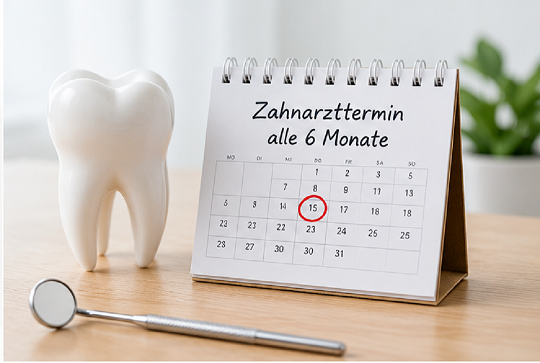
For most patients, dentists recommend scheduling a dental appointment every six months. Two preventive dental visits per year are considered the ideal standard for maintaining healthy teeth and gums.
However, the ideal frequency depends on several individual factors, including:
- Age
- Oral hygiene habits
- Diet and sugar consumption
- Smoking
- Diabetes and systemic diseases
- Certain medications
- Previous gum disease
- Tendency toward cavities
Patients with a higher risk of dental problems may benefit from more frequent check-ups every three to four months.
Consistency is one of the most important aspects of long-term oral health.
What Happens During a Routine Dental Examination?
A routine dental check-up focuses on prevention, early diagnosis, and monitoring oral health.
A Dental Examination Typically Includes
- Examination of teeth and gums
- Detection of cavities and inflammation
- Plaque and tartar assessment
- Inspection of fillings, crowns, bridges, and implants
- Bite evaluation
- Oral cancer screening
- X-rays when necessary
- Personalized oral hygiene recommendations
Regular dental examinations help identify problems before they become painful or require complex procedures.
The Importance of Professional Dental Hygiene in Vienna
Professional dental cleaning is an essential part of preventive dentistry. Even with excellent daily brushing and flossing, plaque and tartar can accumulate in difficult-to-reach areas.
Professional dental hygiene in Vienna helps reduce harmful bacteria and supports long-term gum health.
Benefits of Professional Dental Cleaning
- Reduced risk of cavities
- Prevention of gingivitis and periodontitis
- Removal of tartar and discoloration
- Fresher breath
- Improved gum health
- Protection of tooth enamel
- Long-term tooth preservation
When Are More Frequent Dental Visits Recommended?
Some patients require more frequent preventive care due to increased risk factors.
More Frequent Dental Check-Ups Are Often Recommended For
- Gum disease or periodontitis
- Frequent cavities
- Dental implants
- Orthodontic treatment or braces
- Smoking
- Diabetes
- Dry mouth
- Heavy tartar buildup
- Weakened immune system
In these cases, dentists may recommend appointments every three to four months.
Risks of Skipping Dental Check-Ups
Ignoring preventive dental care can lead to serious oral health problems that often remain unnoticed until advanced stages.
Possible Consequences Include
- Severe tooth decay
- Painful infections
- Tooth loss
- Gum recession
- Bone loss
- Expensive restorative treatments
- Negative impact on overall health
Regular preventive dental care significantly reduces these risks.
Dental Care Needs at Different Ages
Children and Teenagers
Dental check-ups help monitor tooth development, jaw growth, and possible orthodontic problems. Early prevention supports healthy permanent teeth.
Adults
For adults, preventive care focuses on maintaining healthy teeth and avoiding restorative treatments or tooth replacement.
Seniors
Older adults often require closer monitoring of gum health, implants, dentures, and existing restorations. Preventive care remains essential throughout life.
How to Maintain Healthy Teeth Long-Term
Maintaining healthy teeth requires consistent oral hygiene and regular professional care.
Important Oral Health Habits
- Brush teeth twice daily
- Use floss or interdental brushes
- Schedule regular dental examinations
- Receive professional dental cleaning
- Reduce sugary foods and drinks
- Follow personalized dental recommendations
Preventive care is the most effective way to preserve natural teeth and avoid complex dental procedures.
Modern Dentistry Focuses on Prevention
Modern dentistry increasingly emphasizes prevention, early diagnosis, and minimally invasive treatments. Advanced diagnostic technologies now allow dentists to detect oral health problems earlier and treat them more comfortably and efficiently.
A regular dental appointment in Vienna is therefore not only a routine examination but also an important part of long-term health prevention.
Frequently Asked Questions
How often should you visit the dentist?
Most dentists recommend two preventive dental check-ups per year. Patients with increased risk factors may require more frequent visits.
Is professional dental cleaning necessary?
Yes. Professional dental hygiene removes plaque and tartar that cannot always be removed through brushing and flossing alone.
How long does a dental check-up take?
A routine dental examination usually takes between 15 and 30 minutes, depending on the patient’s oral health condition.
Can regular dental visits prevent tooth loss?
Yes. Early detection and preventive care significantly reduce the risk of tooth loss and serious dental disease.
Conclusion
The ideal frequency of dental check-ups depends on individual oral health, lifestyle, and risk factors. For most people, visiting the dentist every six months provides the best foundation for healthy teeth and gums.
Regular preventive examinations help detect dental problems early, reduce treatment complexity, and support long-term oral health. Combined with professional dental hygiene and proper home care, preventive dentistry plays a crucial role in maintaining natural teeth for life.
Modern dentistry focuses on prevention, personalized care, and minimally invasive treatment approaches. Regular dental check-ups are therefore an essential part of overall health and well-being.
At DentalAce, prevention comes first. The dentists on the platform provide modern diagnostics, individualized care, and long-term preventive treatment concepts designed to support lasting oral health.


