


Why does tooth decay occur despite regular brushing?
Causes, risk factors, and modern prevention for healthy teeth
Many people brush their teeth carefully every day and still develop cavities. This often leads to confusion: how can tooth decay happen despite regular brushing?
The answer is simple: brushing alone is not always enough. Nutrition, saliva production, oral bacteria, tooth alignment, and regular dental check-ups all play an important role in long-term oral health.
In this article, you’ll learn why cavities can develop even with good oral hygiene, which risk factors matter most, and how modern preventive dentistry helps protect your teeth before serious damage occurs.
What Is tooth decay?
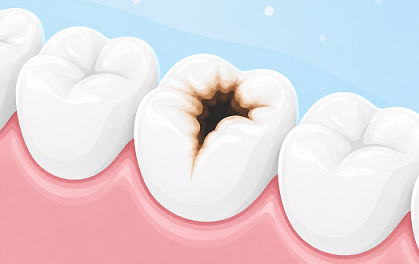
Tooth decay, also known as dental caries, is one of the most common dental diseases worldwide. It develops when bacteria in the mouth convert sugar into acids that attack the tooth enamel.
Over time, minerals are removed from the enamel, causing weak spots and eventually cavities.
One of the biggest challenges with early tooth decay is that it often develops without pain or visible symptoms.
Why do cavities develop despite regular brushing?
1. Areas between the teeth are often missed
Even high-quality toothbrushes cannot fully clean every surface of the teeth. Plaque and bacteria frequently remain in difficult-to-reach areas such as:
- between the teeth
- around the gumline
- on back molars
- near crowns, bridges, or fillings
Without flossing or interdental cleaning, these areas become high-risk zones for cavities.
SEO Keywords: cavities between teeth, interdental cleaning, plaque buildup, flossing importance
2. Sugar and acidic drinks constantly attack tooth enamel
Frequent consumption of sugar and acidic beverages significantly increases the risk of cavities.
Common high-risk products include:
- soft drinks
- energy drinks
- fruit juices
- candy and sweets
- frequent sugary snacks
The frequency of sugar exposure is often more harmful than the amount itself.
SEO Keywords: sugar and tooth decay, acidic drinks and teeth, cavity prevention tips
3. Dry mouth increases cavity risk
Saliva plays a crucial role in protecting teeth. It neutralizes acids and supports natural enamel repair.
Reduced saliva production may result from:
- stress
- medications
- smoking
- dehydration
- mouth breathing during sleep
People with chronic dry mouth are often more likely to develop cavities.
SEO Keywords: dry mouth cavities, saliva and oral health, xerostomia dental risks
4. Genetics and individual oral conditions matter
Not everyone has the same risk of tooth decay. Factors such as enamel strength, oral bacteria composition, and saliva quality vary between individuals.
Some people naturally develop cavities more easily despite maintaining good oral hygiene habits.
SEO Keywords: genetic cavity risk, weak enamel causes, oral microbiome
5. Missing regular dental check-ups
Many cavities develop in areas patients cannot see themselves. Early-stage tooth decay is often detected only during professional dental examinations.
Modern dentistry focuses heavily on:
- early diagnosis
- preventive care
- minimally invasive treatment
- long-term oral health preservation
SEO Keywords: dental check-up importance, preventive dentistry, early cavity detection
How to prevent cavities effectively
Maintain proper daily oral hygiene
- brush at least twice daily
- use fluoride toothpaste
- floss or clean between teeth daily
- replace toothbrush regularly
Improve your nutrition
- reduce sugar intake
- avoid frequent snacking
- drink more water
- limit acidic beverages
Visit your dentist regularly
Regular preventive appointments help detect dental problems early and reduce long-term treatment costs.
Professional preventive care may include:
- dental examinations
- professional cleaning
- fluoride treatments
- individual risk assessments
Modern dental care with DentalAce
The platform DentalAce helps patients discover modern dentists, preventive services, and specialized dental treatments more easily.
With DentalAce, patients can:
- compare dentists
- read verified reviews
- explore modern treatment methods
- find dental specialists
- request appointments faster
- access valuable oral health information
DentalAce supports modern patient-centered dentistry focused on prevention, transparency, and long-term oral health.
Frequently asked questions about cavities despite brushing
Can you still get cavities if you brush twice a day?
Yes. Cavities can still develop if plaque remains between teeth or if sugar is consumed frequently throughout the day.
Why do cavities often form between teeth?
Toothbrushes often cannot fully clean tight interdental spaces, allowing bacteria and plaque to accumulate.
Which foods increase cavity risk the most?
Sugary foods, soft drinks, sports drinks, energy drinks, and acidic beverages are major contributors to tooth decay.
Does fluoride toothpaste help prevent cavities?
Yes. Fluoride strengthens enamel and supports natural remineralization.
How often should you visit the dentist?
Most dentists recommend at least two preventive check-ups per year, depending on individual risk factors.
Conclusion
Developing cavities despite regular brushing is more common than many people think. Oral hygiene is essential, but nutrition, saliva flow, genetics, and preventive dental care also strongly influence dental health.
Combining proper brushing, healthy eating habits, flossing, and regular dental visits offers the best protection against tooth decay.
Modern platforms like DentalAce make it easier to find trusted dentists, explore preventive treatments, and actively improve long-term oral health.


