


Understanding periodontitis: stages, symptoms and modern treatment options
Healthy gums are the foundation of strong teeth and long-term oral health. However, gum diseases are often underestimated – frequently until symptoms appear or damage has already occurred. One of the greatest challenges is that periodontitis often develops gradually and may not cause pain in its early stages.
If left untreated, periodontitis can permanently damage the tooth-supporting structures and eventually lead to loose teeth or tooth loss. This makes early diagnosis, professional oral hygiene and individualized treatment particularly important.
In this article, you will learn how periodontitis develops, which symptoms should not be ignored, the different stages of the disease, and the modern treatment options available today.
What is periodontitis?
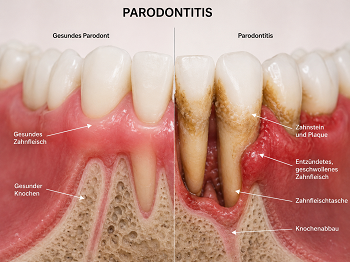
Periodontitis is a chronic inflammatory disease affecting the tooth-supporting structures. It impacts not only the gums but also deeper tissues, including the jawbone and the fibers that hold the teeth firmly in place.
In many cases, the condition begins with bacterial plaque accumulating along the gumline. If not removed regularly, plaque can harden into tartar, increasing the risk of inflammation.
Without treatment, inflammation can gradually progress, causing gum recession and bone loss over time.
How does periodontitis develop?
Periodontitis usually develops slowly rather than suddenly. Several factors can increase the risk of developing gum disease.
Common Causes and Risk Factors
- Poor oral hygiene
- Plaque and tartar buildup
- Smoking
- Genetic predisposition
- Diabetes
- Hormonal changes
- Chronic stress
- A weakened immune system
Incorrect brushing techniques and irregular dental check-ups may also contribute to the accumulation of harmful bacteria over time.
Understanding the Stages of Periodontitis
1. Gingivitis – The Early Stage of Gum Disease
The earliest stage of gum disease is called gingivitis. At this stage, inflammation is usually limited to the gums and is often fully reversible with proper care.
Common Symptoms of Gingivitis
- Red gums
- Swollen gums
- Bleeding while brushing or flossing
- Tenderness or sensitivity
- Persistent bad breath
Many people consider bleeding gums harmless. However, bleeding gums are among the most common warning signs of gum inflammation and should not be ignored.
If gingivitis is detected early, improved oral hygiene, professional cleanings and regular dental visits can often reverse the condition completely.
2. Early Periodontitis – When the Gums Begin to Recede
If gingivitis remains untreated, inflammation may spread to deeper tissues. The gums begin to pull away from the teeth, forming periodontal pockets where bacteria can accumulate.
These pockets create an environment in which bacteria can multiply more easily and worsen inflammation.
Possible Symptoms at This Stage
- Gum recession
- Tooth sensitivity
- Frequent gum bleeding
- Persistent bad breath
- Increased tooth sensitivity
At this stage, professional periodontal treatment becomes important to slow disease progression and prevent further damage.
3. Advanced Periodontitis – Structural Tissue Loss
In advanced stages, bone supporting the teeth may begin to deteriorate. As the tooth-supporting structures weaken, teeth can shift position or become loose.
Potential Consequences of Untreated Periodontitis
- Loose teeth
- Larger gaps between teeth
- Pus between the teeth and gums
- Difficulty chewing
- Tooth loss
Modern treatment approaches focus on stabilizing the condition, controlling inflammation and preventing additional tissue destruction whenever possible.
Why bleeding gums should be taken seriously
Bleeding gums are among the most common warning signs of gum disease. While occasional irritation may happen, repeated bleeding should always be evaluated by a dental professional.
Possible causes of bleeding gums
- Plaque buildup
- Early gum inflammation
- Improper brushing technique
- Hormonal changes
- Periodontitis
The earlier the underlying cause is identified, the better the chances of preventing more extensive treatments later.
The role of tartar in periodontitis
Once plaque hardens into tartar, it can no longer be removed through regular brushing alone. Tartar creates a rough surface that allows bacteria to attach more easily and contribute to gum inflammation.
Professional tartar removal helps reduce bacterial buildup and supports healthier gums over the long term.
Professional Oral Hygiene as an Important Preventive Measure
Daily brushing and flossing are essential parts of oral care, but they may not always reach every area effectively.
Professional oral hygiene treatments can help remove stubborn plaque and tartar while allowing dental professionals to identify early gum changes before serious complications develop.
Professional preventive care often includes
- Professional dental cleaning
- Tartar removal
- Monitoring gum pocket depth
- Personalized oral hygiene guidance
- Regular dental check-ups
Preventive care plays an important role in reducing the long-term risk of severe periodontal disease.
Modern Treatment Options for Periodontitis
The most appropriate treatment depends on the severity of the condition and each patient's individual needs.
Non-Surgical Treatment
In mild to moderate cases, deep cleaning procedures such as scaling and root planing are often performed to remove bacteria and smooth root surfaces beneath the gumline.
Advanced Treatment Approaches
- Local antibiotic therapy
- Laser-assisted treatment
- Surgical pocket reduction
- Regenerative procedures to support tissue repair
Modern dentistry increasingly focuses on precise, minimally invasive and long-term treatment solutions.
Periodontitis and Overall Health
Scientific research suggests that gum disease may be associated with broader health concerns and systemic inflammation.
Potential Associations Include
- Cardiovascular disease
- Diabetes complications
- Inflammatory conditions
- Immune system dysfunction
Maintaining healthy gums may therefore contribute not only to oral health but also to overall well-being.
How Can Periodontitis Be Prevented?
The best treatment often begins with prevention. Taking action early can significantly reduce the risk of long-term complications.
Important Preventive Measures
- Brushing teeth twice daily
- Using floss or interdental brushes regularly
- Professional dental cleaning
- Routine dental check-ups
- Early treatment of gum inflammation
Frequently Asked Questions (FAQ) About Periodontitis
What is periodontitis?
Periodontitis is a chronic inflammatory disease affecting the gums, jawbone and supporting tissues around the teeth. Without treatment, it can eventually lead to tooth loss.
What are the first signs of periodontitis?
Early symptoms often include bleeding gums, swelling, bad breath, tooth sensitivity and gum recession.
Are bleeding gums always a warning sign?
Recurring bleeding gums should be taken seriously, as they may indicate gum inflammation or early-stage periodontitis.
Can gingivitis be reversed?
Yes. Gingivitis is often reversible if detected early and treated with improved oral hygiene and professional cleaning.
How is periodontitis treated?
Treatment may include deep cleaning, antibacterial therapies, laser procedures or surgery depending on disease severity.
Can periodontitis be cured completely?
Early gum inflammation may often be fully controlled, while advanced periodontitis can usually be stabilized and managed long term.
How often should professional dental cleaning be performed?
This depends on individual risk factors, but many patients benefit from professional cleanings every three to six months.
Why is tartar a problem?
Tartar promotes bacterial buildup and increases the risk of inflammation. Professional removal helps maintain healthier gums.
Is periodontitis painful?
Not always. In many cases, especially early on, periodontitis develops without pain and may go unnoticed.
Can periodontitis affect general health?
Studies suggest possible links between periodontitis and conditions such as cardiovascular disease and diabetes.
Conclusion
Periodontitis is a progressive disease that often develops silently and without pain during its early stages. For this reason, symptoms such as bleeding gums, bad breath and gum recession should never be ignored.
Early prevention, professional oral hygiene and routine dental visits can help identify inflammation before severe complications occur.
Modern diagnostic methods and personalized treatment approaches allow dental professionals to detect and manage periodontal disease early, helping patients maintain healthy gums and preserve their smiles for the future.


