
The most common tooth brushing mistakes – and how to avoid them
Quick Answer: The most common tooth brushing mistakes include brushing too hard, brushing for too little time, using the wrong technique, and neglecting the spaces between your teeth. These habits can lead to cavities, gum disease, and long-term dental damage. Even the best at-home oral hygiene routine should be complemented by regular professional dental cleanings.
Most people brush their teeth twice a day. Yet tooth decay, gum disease, and periodontitis remain among the most common oral health problems. The reason is often not a lack of brushing, but small mistakes that become part of a daily routine.
Many of these mistakes go unnoticed for years. They are often discovered only during a routine dental check-up or professional cleaning, when plaque buildup, tartar, or early signs of gum inflammation are detected.
The good news is that most dental problems are preventable. By understanding the most common brushing mistakes and improving your oral hygiene habits, you can significantly reduce your risk of cavities, gum disease, and costly dental treatments.
What Are the Most Common Tooth Brushing Mistakes?
The most common tooth brushing mistakes are brushing too hard, brushing for less than two minutes, using the wrong technique, neglecting flossing, using an old toothbrush, and rinsing too much after brushing. These habits can increase the risk of cavities, gum disease, enamel erosion, and tooth sensitivity.
Key Takeaways at a Glance
- Brush your teeth twice a day for at least two minutes
- Use a soft-bristled toothbrush and avoid excessive pressure
- Clean between your teeth daily with floss or interdental brushes
- Use fluoride toothpaste
- Clean your tongue regularly
- Replace your toothbrush or brush head every 2–3 months
- Attend regular dental check-ups
- Schedule professional dental cleanings every six months
What Are the Most Common Tooth Brushing Mistakes?
Dentists see the same brushing mistakes time and time again, regardless of a patient’s age.
1. Brushing Too Hard
Applying too much pressure does not remove more plaque. Instead, it can wear down tooth enamel and contribute to gum recession. Dentists recommend using a gentle brushing technique with soft bristles.
What Is the Most Common Tooth Brushing Mistake?
The most common mistake is brushing too hard. Many people believe that more pressure results in cleaner teeth. In reality, aggressive brushing can damage enamel and irritate the gums.
Can Brushing Too Hard Damage Teeth?
Yes. Brushing too hard can wear down enamel, cause gum recession, and increase tooth sensitivity. Using a soft-bristled toothbrush and gentle pressure helps protect both teeth and gums.
2. Brushing for Too Little Time
For effective plaque removal, teeth should be brushed for at least two minutes. Many people brush for significantly less time, leaving areas of the mouth insufficiently cleaned.
How Long Should You Brush Your Teeth?
Dentists recommend brushing your teeth for at least two minutes, twice a day. Brushing before bedtime is particularly important because bacteria can multiply more easily overnight.
3. Using the Wrong Brushing Technique
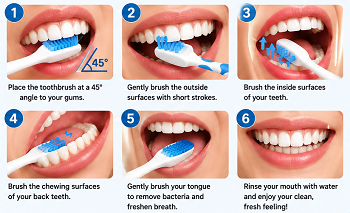
Scrubbing back and forth horizontally can irritate the gums and may not clean effectively. Small circular motions or the Bass brushing technique are considered more effective and gentler on the gums.
4. Ignoring the Spaces Between Teeth
A toothbrush can only reach part of the tooth surface. Without flossing or using interdental brushes, plaque and food particles remain trapped between teeth.
Do You Really Need to Floss Every Day?
Yes. The spaces between teeth are common areas for cavities and gum inflammation to develop. Daily flossing or the use of interdental brushes helps remove plaque and bacteria from these hard-to-reach areas.
Is Flossing Really Necessary?
Yes. Flossing removes plaque and food particles from areas that a toothbrush cannot reach. Daily flossing significantly reduces the risk of cavities, gingivitis, and periodontal disease.
5. Using an Old Toothbrush
Worn bristles clean less effectively and may irritate the gums. Dentists recommend replacing your toothbrush or brush head every two to three months.
6. Rinsing Too Thoroughly After Brushing
Many people rinse their mouths with a large amount of water after brushing. This washes away much of the fluoride left on the teeth, reducing its protective effect.
Should You Rinse Your Mouth After Brushing?
Ideally, you should spit out the toothpaste and avoid excessive rinsing. This allows fluoride to remain on the tooth surface longer and helps strengthen enamel against decay.
How Should You Brush Your Teeth Properly?
An effective oral hygiene routine includes several important steps:
- Brush twice daily for at least two minutes
- Use a soft-bristled toothbrush
- Apply gentle pressure
- Floss or use interdental brushes every day
- Use fluoride toothpaste
- Clean your tongue regularly
Electric toothbrushes with pressure sensors can also help prevent common brushing mistakes and improve plaque removal.
Is an Electric Toothbrush Better Than a Manual Toothbrush?
In many cases, yes. Modern electric toothbrushes remove plaque effectively and often include timers and pressure sensors that help users maintain proper brushing habits.
Professional Insight
According to dental professionals, most oral health problems develop gradually and often show no symptoms in their early stages. Regular dental examinations and professional cleanings can help identify problems before they require extensive treatment.
Is Brushing Alone Enough for Healthy Teeth?
No. Even with excellent brushing habits, some plaque and tartar can accumulate in areas that are difficult to reach.
Tartar, in particular, cannot be removed at home with regular brushing. Professional dental cleanings help eliminate tartar, remove stubborn plaque, and identify potential oral health issues before they become serious.
Professional Dental Cleaning: Why It Matters
- Removes tartar and plaque buildup
- Helps prevent tooth decay
- Detects gum disease early
- Reduces surface stains
- Supports long-term oral health
Professional dental cleanings do more than improve the appearance of your teeth. They play a key role in preventive dentistry by helping to prevent cavities, gingivitis, and periodontitis.
How Often Should You Have a Professional Dental Cleaning?
For most adults, dentists recommend professional cleanings every six months. Patients with a higher risk of cavities, gum disease, or periodontitis may benefit from more frequent visits.
How Much Does a Professional Dental Cleaning Cost?
The cost of a professional dental cleaning varies depending on the clinic, location, and treatment scope. Additional services such as airflow polishing or periodontal cleaning may increase the overall cost.
Key Oral Hygiene Tips
- Brush twice daily for at least two minutes
- Use fluoride toothpaste
- Avoid brushing too hard
- Floss every day
- Replace your toothbrush every 2–3 months
- Schedule professional cleanings twice a year
Conclusion
Most dental problems are not caused by a lack of brushing, but by common mistakes in everyday oral hygiene. By using the correct brushing technique, cleaning between your teeth daily, and attending regular professional dental cleanings, you can significantly reduce your risk of cavities and gum disease.
The combination of effective home care and regular dental visits remains the best strategy for maintaining healthy teeth and a confident smile for years to come.


